🎉 Calla - Delivery & Pickup Date is available now on Shopify app store

Shopify app store


The dust has finally settled. Your warehouse floor, which was buried under mountains of cardboard and packing tape just days ago, is finally visible again. The Black Friday and Cyber Monday (BFCM) madness of 2025 is behind us, and your sales dashboard looks like a mountain range—a massive peak followed by a sharp drop.
For many US retailers, this is the moment they exhale. But if you want your business to thrive in 2026, this is actually the moment you should be leaning in. You’ve just acquired a wave of new customers. The question is: will they be "one-night stands" or long-term partners?
Learning how to build customer loyalty is the difference between a business that survives on seasonal hype and one that builds a legacy. In this deep dive, we will explore five proven tactics to ensure your BFCM shoppers don't disappear into the digital void.
In the United States, the cost of acquiring a new customer has skyrocketed by over 200% in the last decade. If you spent your entire marketing budget on BFCM ads just to get a single purchase, you might actually be losing money in the long run.
True profitability lives in the "LTV"—the Lifetime Value of a customer. When you understand how to build customer loyalty, you stop chasing every single sale and start building an engine that generates revenue while you sleep.
.png)
As the data suggests, knowing how to build customer loyalty isn't just a "nice to have" marketing goal; it is a financial necessity.
Imagine you go on a fantastic first date. The conversation is great, the vibe is right, and you leave feeling excited. Then... silence. No text, no call, nothing for two weeks. You’d probably assume they weren't that into you, right?
The same thing happens in e-commerce. A customer finds your site, loves your BFCM deal, and buys. If the only thing they hear from you for the next month is a generic "Your order has shipped" email, you are failing at the first step of how to build customer loyalty.
One of the most effective ways to stand out in a crowded US market is personalization. A boutique skincare brand based in Austin, Texas, saw a 40% increase in repeat purchases simply by including a QR code in their packaging. When scanned, the customer saw a 15-second video of the founder saying, "Hey, thanks for supporting us during the rush! Here’s a quick tip on how to use that serum you just bought."
During the post-holiday season, shipping delays are inevitable. Don't wait for the customer to email you asking, "Where is my stuff?" Reach out first. Being honest about a two-day delay builds more trust than a week of silence followed by a "Delivered" notification.
When you prioritize transparency, you are teaching yourself how to build customer loyalty through reliability.
We’ve all signed up for loyalty programs that offer "1 point for every $100 spent." Let’s be honest: that’s boring. In 2026, US consumers want more than just pennies back; they want an experience.
To understand how to build customer loyalty, you must look at your program as a community, not a coupon book.
People love status. Brands like Sephora and Starbucks have mastered this by using tiers.
- Tier 1 (The Newbie): Free shipping on all orders.
- Tier 2 (The Regular): Early access to new product launches.
- Tier 3 (The VIP): Invitation to exclusive digital events or "Founders' Circles."
By offering "early access" to your January collections for those who shopped during BFCM, you give them a reason to keep their eyes on your brand. This is a core pillar of how to build customer loyalty.
Sometimes, the best way to build a bond is to offer something money can't buy. If you sell outdoor gear, perhaps your loyalty program includes a "Winter Survival Guide" PDF or a free 15-minute consultation with an expert.
When the focus shifts from "save money" to "gain value," you have successfully cracked the code of how to build customer loyalty.
One of the biggest mistakes brands make post-BFCM is "blasting" their entire email list with the same generic "Happy New Year" sale. If I bought a pair of men's hiking boots, why am I getting emails about women’s yoga leggings?
If you want to know how to build customer loyalty, you have to use the data you just collected.
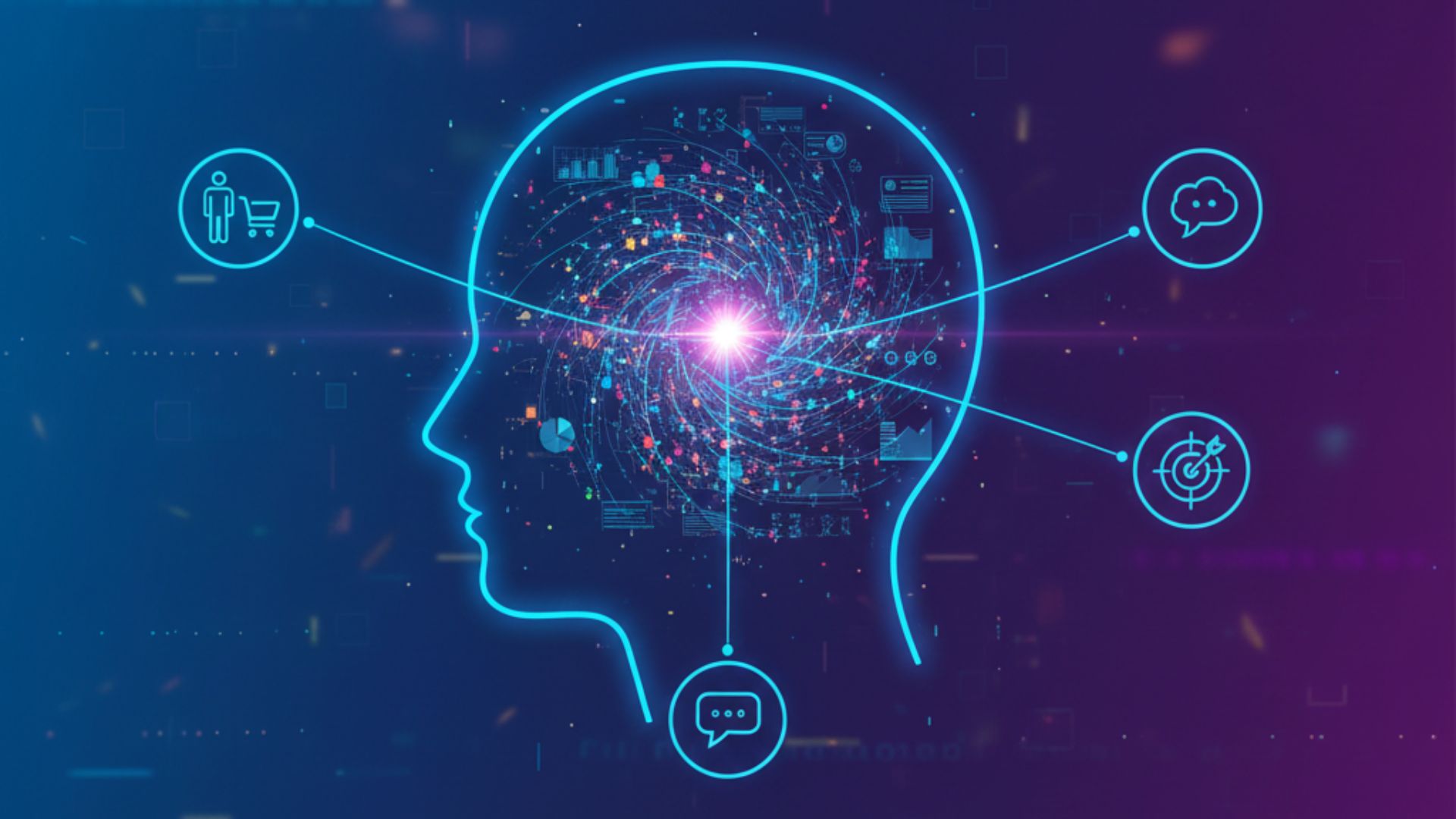
Segment your BFCM buyers based on what they actually did:
1. The Gifter: They bought a high-ticket item but the shipping address was different from the billing address. Strategy: Don't sell to them again immediately; wait until the next gifting holiday (Valentine’s Day) and remind them of the great experience they had.
2. The Deal Seeker: They only bought items from the "Sale" section. Strategy: Send them "Last Chance" or "Clearance" updates to keep them engaged without devaluing your main line.
3. The Enthusiast: They bought your new arrival at a slight discount. Strategy: These are your prime candidates for your loyalty program. Show them how to build customer loyalty by treating them like insiders.
If you sell consumable goods—like coffee, supplements, or skincare—you can predict when a customer is running low. Sending a "Running low? We saved you a bag!" email at the 30-day mark is a service, not an ad. This level of care is essential when learning how to build customer loyalty.
In the US, return rates can spike as high as 30% after the holiday season. Most merchants view returns as a "loss." However, a return is actually a high-intent touchpoint.
.jpg)
If a customer returns a product and the process is seamless, they are significantly more likely to shop with you again. If the process is a nightmare, you’ve lost them forever. Here is how to build customer loyalty through the "Reverse Logistics" phase:
- Offer "Easy Exchanges": Give the customer an extra $5 or $10 in store credit if they choose an exchange over a refund.
- No-Hassle Labels: Provide a pre-paid return label in the box. It removes the "friction of fear" for the customer.
- The "Keep It" Policy: For low-cost items, some brands have found success in telling the customer, "Keep the item, donate it to a local charity, and we’ll still send you the right size." The amount of brand "clout" and trust this generates is worth ten times the cost of the product.
Remember, the goal isn't just to save a sale today; it's to understand how to build customer loyalty for tomorrow.
After the high-pressure sales environment of November, consumers are often "shopped out." They are tired of being sold to. This is the perfect time to change your tune.
To master how to build customer loyalty, you must become a resource.
If a customer bought a high-end blender during your Cyber Monday sale, they don't want an email about a toaster in December. They want a "7-Day Post-Holiday Detox Smoothie Challenge."
By providing content that helps them get more value out of the product they already bought, you position yourself as an expert. This creates a psychological bond called "reciprocity." You gave them something valuable for free (knowledge), so they feel more inclined to stay loyal to your brand.
Encourage your new customers to share their BFCM hauls on social media. Run a contest: "Share a photo of your new gear with #MyBrandLegacy for a chance to win a $100 gift card."
When other people see real humans enjoying your products, the "trust" factor triples. Seeing a community in action is a masterclass in how to build customer loyalty.
.jpg)
Some critics argue that in the age of Amazon and Temu, "loyalty" is dead and customers only care about the lowest price. While this might be true for commodities like AA batteries or paper clips, it is absolutely false for "lifestyle" brands.
People don't buy Nike because it's the cheapest shoe; they buy it because they feel like an athlete. They don't buy Apple because it's the most affordable computer; they buy it because they see themselves as "creatives."
If your strategy for how to build customer loyalty is purely based on being the cheapest, you are in a race to the bottom. Eventually, someone with more venture capital or a bigger factory will underprice you. Loyalty is built on identity, trust, and value, not just a 20% off coupon.
"Customer loyalty is the byproduct of consistently exceeding expectations. It’s not a department; it’s a culture. If you think BFCM is the finish line, you’ve already lost the race." — Marketing Consultant Sarah Jenkins.
This sentiment is echoed throughout the industry. In a recent study by the E-commerce Growth Institute, they found that brands focusing on post-purchase education saw a 22% higher retention rate than those focusing solely on "re-marketing" sales.
As we move further into 2026, the landscape of how to build customer loyalty will be shaped by Artificial Intelligence. We are moving toward "Hyper-Personalization."
Soon, your website won't just remember a customer's name; it will change its entire layout based on their browsing habits. If a customer is an "Eco-Conscious" buyer, your site will highlight your sustainability efforts. If they are a "Value" buyer, it will highlight durability and warranty.
The brands that win won't be the ones with the most data, but the ones who use that data to make the customer feel seen.
%20(1).png)
Understanding these shifts is part of the ongoing journey of how to build customer loyalty.
It’s easy to forget that "Black Friday" used to be a single day of chaos at the local mall. The term was coined in Philadelphia in the 1960s to describe the heavy pedestrian and vehicle traffic that occurred the day after Thanksgiving.
With the rise of the internet, it morphed into a month-long digital event. This shift changed the "loyalty" dynamic. Historically, you were loyal to the store in your neighborhood because it was convenient. Today, convenience is everywhere. You are competing with the entire world.
This means your strategy for how to build customer loyalty must be more robust than ever before. You aren't just competing on proximity; you are competing on soul.
If you’re feeling overwhelmed by all these ideas on how to build customer loyalty, just focus on these five steps this week:
1. Audit your automated emails: Are they "salesy" or "helpful"? Change at least two to be more value-focused.
2. Surprise a small group: Pick 10 random customers who bought during BFCM and send them a handwritten note or a small free gift.
3. Check your return policy: Is it easy to find? Is it written in plain English, or legalese?
4. Launch a simple "Tier 1" reward: Even if it's just "Free Shipping for Life" for anyone who spent over $200.
5. Ask for feedback: Send a simple one-question survey: "What is one thing we could have done better during your holiday shopping?"
At Autoserve, we believe e-commerce isn’t just about sales—it’s humans helping humans. BFCM gives you the lead, but the post-purchase experience builds the relationship. When you focus on customer loyalty, you stop being just a store and start becoming a trusted partner. Brands that last won’t win with noise, but with trust. A customer buys once, you get a sale. They return, you’ve earned their loyalty.
We try to make easy and simple for every professionals. Get 30 days free trial - No credit card required.

