🎉 Calla - Delivery & Pickup Date is available now on Shopify app store

Shopify app store


.jpg)
Launching an online store is like choosing the right vessel for a cross-country road trip. You need something reliable, efficient, and built for the terrain ahead. In 2026, the two most popular vehicles for eCommerce - Shopify and WordPress - each offer a powerful engine, but their handling and fuel costs differ significantly.
If you're a U.S.-based business owner planning to launch or upgrade your online presence, this guide will give you a hands-on, experience-backed comparison to help make your decision easier.
We’re going beyond features and specs. You’ll get a real-life case study of Goldfish Island, a niche aquatic pet store, that transitioned from WordPress to Shopify—and why they never looked back.
Let’s start with a quick overview of both platforms.
WordPress is the world’s most popular content management system (CMS). It's open-source, highly customizable, and often paired with WooCommerce for eCommerce functionalities.
.jpg)
Strengths:
- Full design flexibility
- Massive plugin ecosystem
- Strong blogging capabilities
Challenges:
- Steeper learning curve
- Requires separate hosting and plugin updates
- Hidden long-term costs
Shopify is a fully hosted SaaS eCommerce platform that offers an all-in-one solution for selling online. With a $39/month basic plan, you get hosting, security, store management, and integrated tools out of the box.
.jpg)
Strengths:
- Fast setup, no coding needed
- Built-in security and hosting
- World-class customer support
- Shopify app store with plug-and-play tools
Challenges:
- Less flexibility than WordPress in design
- Monthly fees (though predictable)
Let’s take a look at how a real eCommerce brand made the leap—and never looked back.
Goldfish Island, a niche brand specializing in premium fancy goldfish from Thailand, originally built their store on WordPress + WooCommerce. While it looked beautiful on the surface, the backend was a constant source of friction.
They were spending over $300–$400 per year just on essential plugins—SEO tools, caching, email integrations, security, and even something as basic as a store page builder. Worse, the site frequently lagged or glitched during high-traffic campaigns.
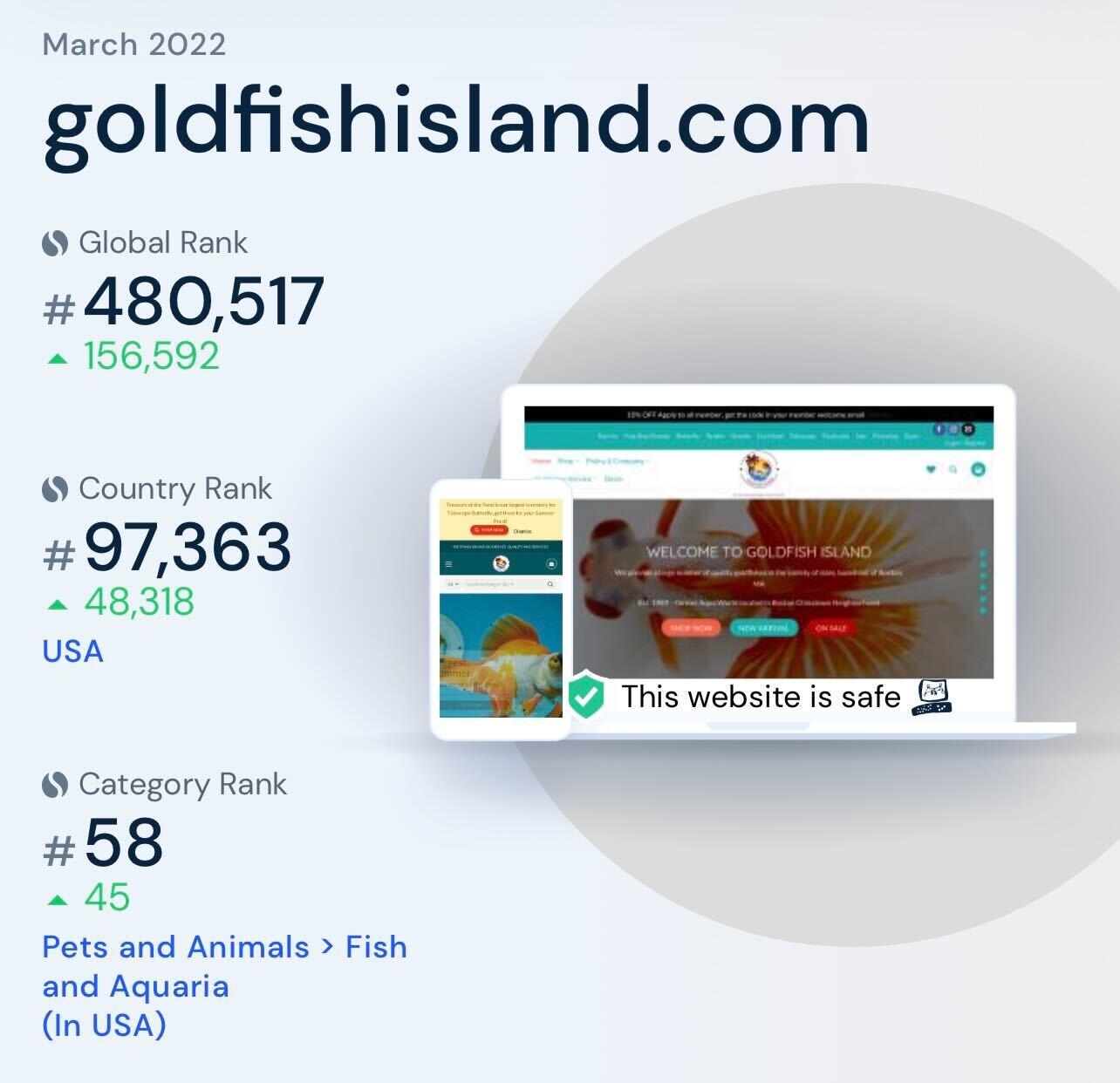
In 2022, backed by Autoserve, Goldfish Island made the switch to Shopify’s $29/month plan.
“Autoserve handled the entire migration for us - theme setup, email flows, SEO redirects, everything,” said the founder. “We were up and running within days. And honestly, it just worked—out of the box.”
What happened next surprised everyone…
Within just 3 days of launching on Shopify, Goldfish Island generated over $45,000 in sales.
No plugin hunting. No speed issues. No downtime.
Autoserve’s optimized Shopify setup meant they didn’t need to install or configure plugins for:
All the heavy lifting was handled by Shopify’s built-in infrastructure and Autoserve’s launch template, allowing the business to focus on selling fish, not fixing tech.
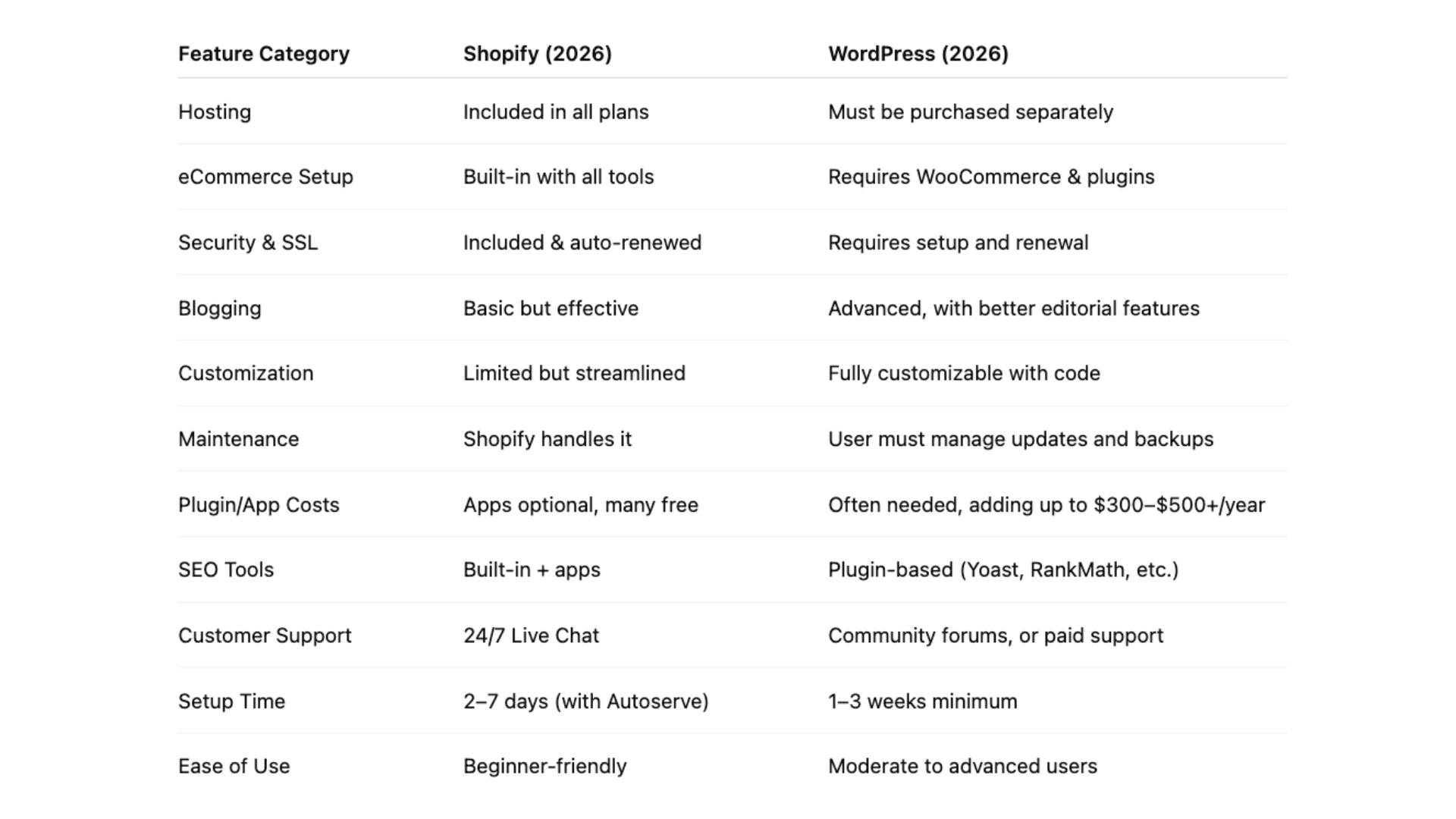
One of the biggest misconceptions about WordPress is that it’s free. Yes, the software itself is open-source, but running a professional eCommerce store stacks up quickly.
Here’s what Goldfish Island spent yearly before switching:
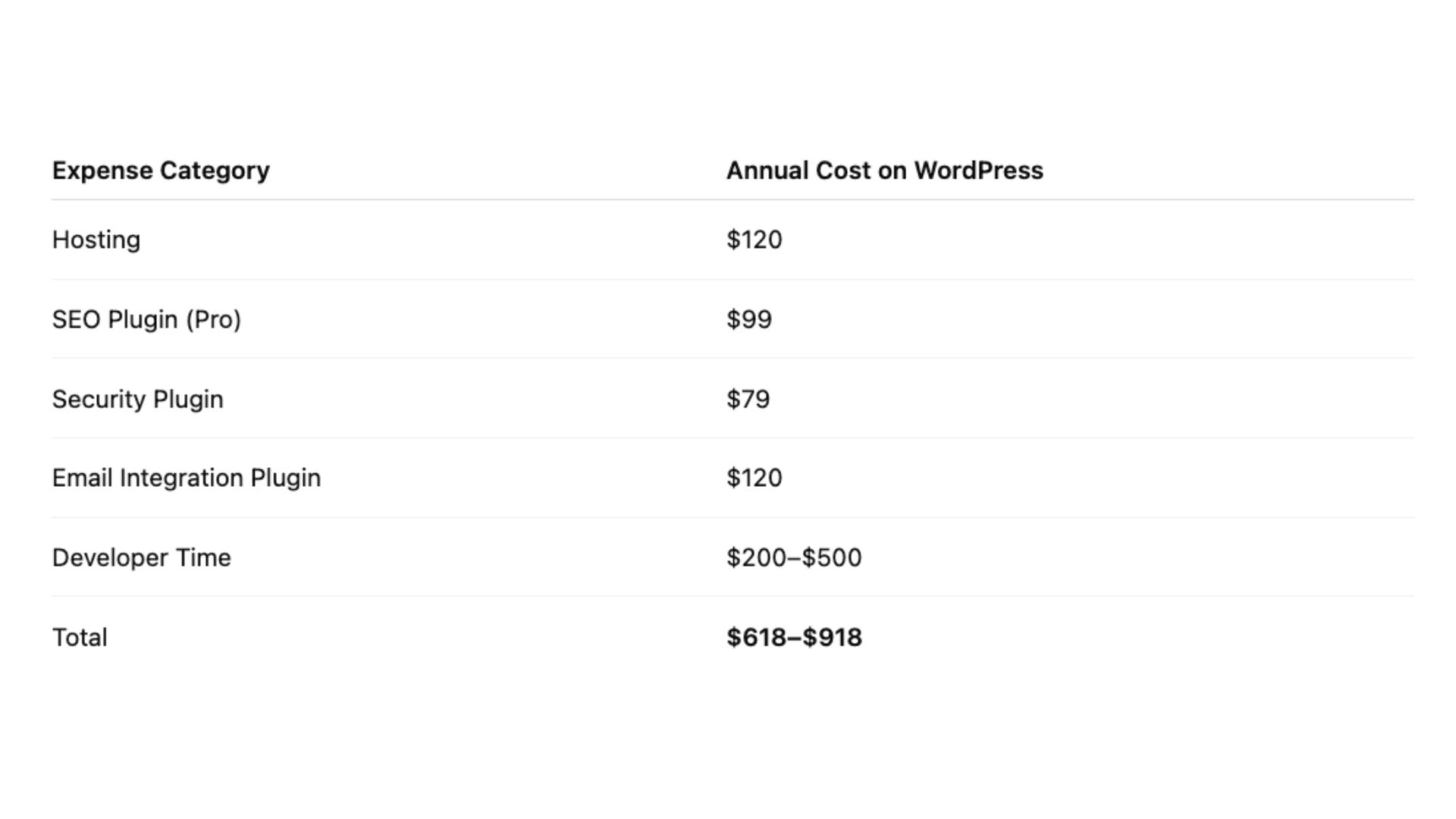
Compare that to Shopify:
| Shopify Basic Plan | $468/year ($39/month) |
| Paid Apps (Optional) | $0–$150/year |
| Developer Time | Minimal or none |
| Total | $468–$618 |
➡ Savings: Up to $450 per year while gaining speed, reliability, and support.
Blogging:
WordPress still holds a slight edge in pure blogging features. It supports advanced editorial workflows, custom fields, and third-party tools that professional content teams may prefer.
But Shopify has caught up.
With faster indexing, mobile optimization, and clean URL structures, Shopify’s blog is no longer an afterthought. In fact, many Shopify stores now outrank older WordPress blogs due to faster load times and better UX—two critical Google ranking factors.
SEO Tools in Shopify:
- Title & Meta editing
- Auto-generated sitemaps
- Mobile-first themes
- SEO apps like Smart SEO and JSON-LD
Expert Tip:
“We’ve seen better ranking improvements after moving our blog to Shopify. The speed boost made a huge difference,” says one of Autoserve's SEO specialists.
Shopify’s native integration with Facebook, Instagram, TikTok, and Pinterest gives it a strong edge. With Shopify’s admin dashboard, you can:
- Tag products in posts
- Sync inventory across platforms
- Run Instagram and Facebook shops
- Track multi-channel sales in one place
WordPress lacks these out-of-the-box tools. Plugins exist, but they often require additional setup and fees.
Goldfish Island’s Result:
After moving to Shopify, they launched Facebook Shop + Instagram Tagging within 3 days—no coding, no custom development.
1. Lower Cost = Higher Profit
Predictable pricing helped budget better and reduce surprises.
2. Fewer Headaches
Shopify’s ecosystem reduced dependency on developers and plugin patches.
3. Faster Execution
Launching seasonal campaigns took hours, not days.
4. Autoserve Support Made All the Difference
The switch wouldn’t have been this smooth without Autoserve’s done-for-you setup, template customization, and SEO guidance.
Yes, WordPress is still the better option if:
- You have in-house developers
- You need advanced content workflows
- Your business is content-first (e.g., media company)
- You’re heavily invested in custom themes or legacy tech
But for 90% of new eCommerce entrepreneurs in 2026, Shopify is simply the better choice in terms of ROI, speed, and ease.
Shopify continues to lead innovation with:
- Built-in AI tools for product descriptions and email marketing
- Integrated customer service apps
- One-page checkout for higher conversions
- Native subscriptions and bundle support
Meanwhile, WordPress remains strong in content publishing and enterprise-level flexibility but will likely require more technical investment as eCommerce complexity grows.
If you're a business in the U.S. trying to grow, automate, and scale quickly—Shopify is the clear winner in most cases.
It simplifies your operations, saves money over time, and allows you to focus on what really matters: building your brand and serving your customers.
Want a shortcut? Autoserve can migrate your store and blog to Shopify in 7 days or less—with design, setup, and automation included.
We try to make easy and simple for every professionals. Get 30 days free trial - No credit card required.

