🎉 Calla - Delivery & Pickup Date is available now on Shopify app store

Shopify app store


It is 9:47 PM. You have 84 unprocessed orders sitting in your queue. Your driver calls to report that the manual route sheet you provided added 45 minutes of unnecessary backtracking due to unexpected construction. Three frustrated customers just emailed your support team asking where their packages are. To make matters worse, your bestselling SKU is completely gonesold out before you even realized your stock levels were running low. This stressful operational loop is a daily reality for thousands of mid-market e-commerce merchants. Manual dispatching, spreadsheetbased inventory counts, and gut-feel delivery windows function reasonably well when you are fulfilling 20 orders a day, but they break down rapidly at 200 orders. The logistical workload multiplies exponentially as your business scales, dragging down team morale and capping your revenue growth.
Here is the uncomfortable truth: artificial intelligence is fundamentally changing delivery scheduling for every single Shopify merchant, whether they are aware of it or not. Brands leveraging AI-powered fulfillment today are delivering packages 20% to 30% faster , saving up to $400 a month in fuel and logistics waste , and scaling their businesses smoothly without adding to their administrative headcount. Meanwhile, stores ignoring these intelligent automation trends are falling further behind with every transaction. This comprehensive guide explains exactly how machine learning is transforming back-office logistics, which primary use cases drive the most measurable return on investment, and how to start implementing automated workflows today without disrupting your current storefront operations
The global e-commerce market in 2026 has passed the point of optional AI experimentation, turning intelligent automation into an absolute operational requirement. Merchants who rely on legacy, manual scheduling methods are finding themselves outpaced by agile competitors who leverage predictive algorithms to streamline their supply chain workflows. According to recent platform insights, AI-related merchant traffic within the Shopify ecosystem has surged 7x, while autonomous AI-driven orders have skyrocketed by 11x across global retail landscapes. This massive shift demonstrates that machine learning is no longer a futuristic luxury; it is a practical framework for handling day-to-day distribution, routing, and order processing. By embedding intelligent logic directly into your backend architecture, you can move away from reactive troubleshooting and start anticipating fulfillment bottleecks before they affect your customer experience.
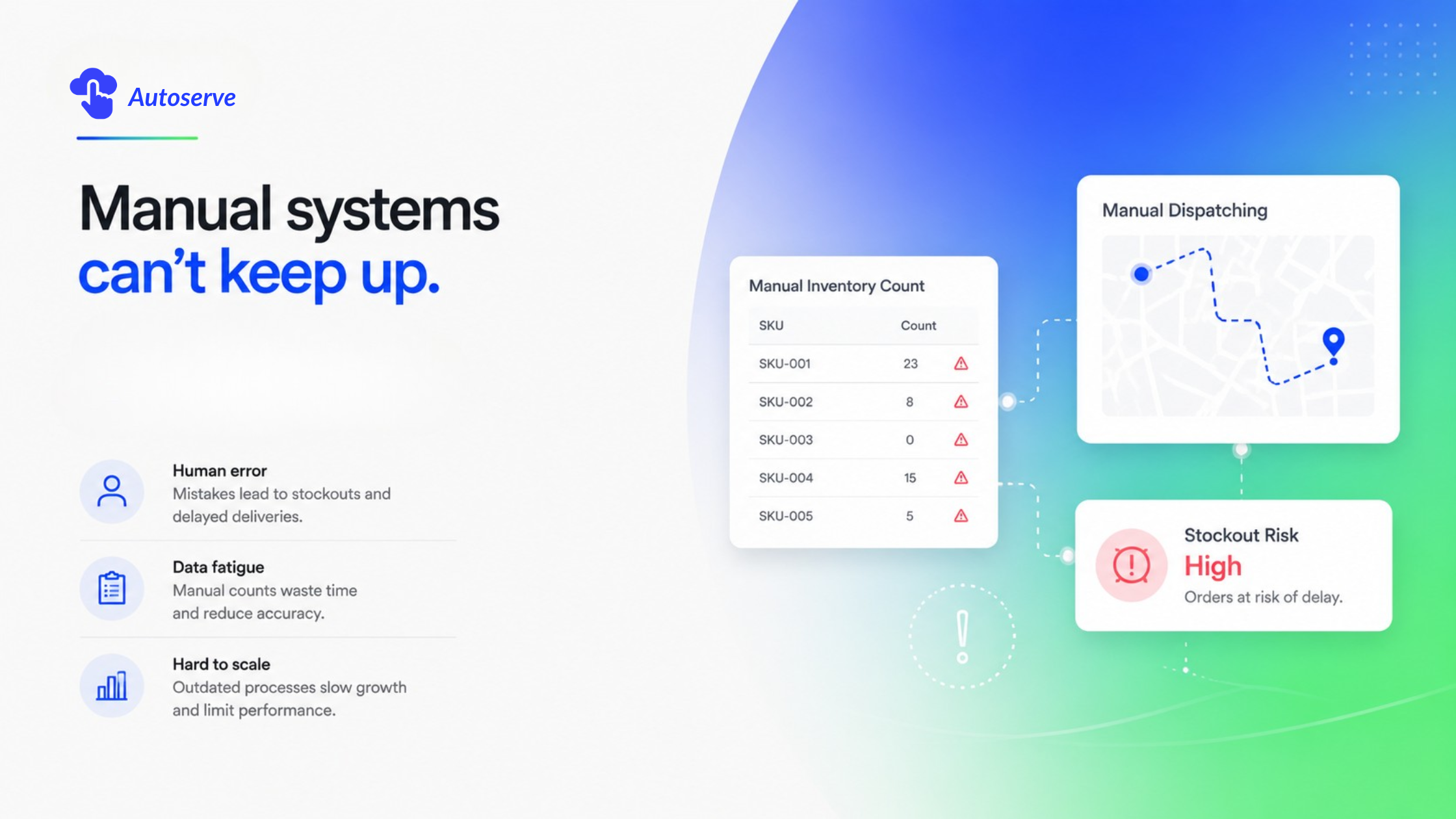
Manual dispatching and traditional inventory planning trap your operations team in a constant cycle of administrative work that active limits your store's scalability. Spending hours every single day on manual route compilation, point-to-point driver dispatching, and physical inventory counts drains your staff's energy and introduces significant human error. Warehouse managers quickly encounter severe data fatigue as they get buried under disjointed spreadsheets, leaving them unable to quickly calculate which specific SKUs need to be prepped each morning. This visibility gap directly causes unexpected stockouts on high-velocity items, while slow-moving, overstocked inventory sits dead on warehouse shelves, tying up valuable working capital. As your order volume increases, this heavy manual workload multiplies exponentially, creating an operational logjam that delays customer dispatches and lowers team morale.
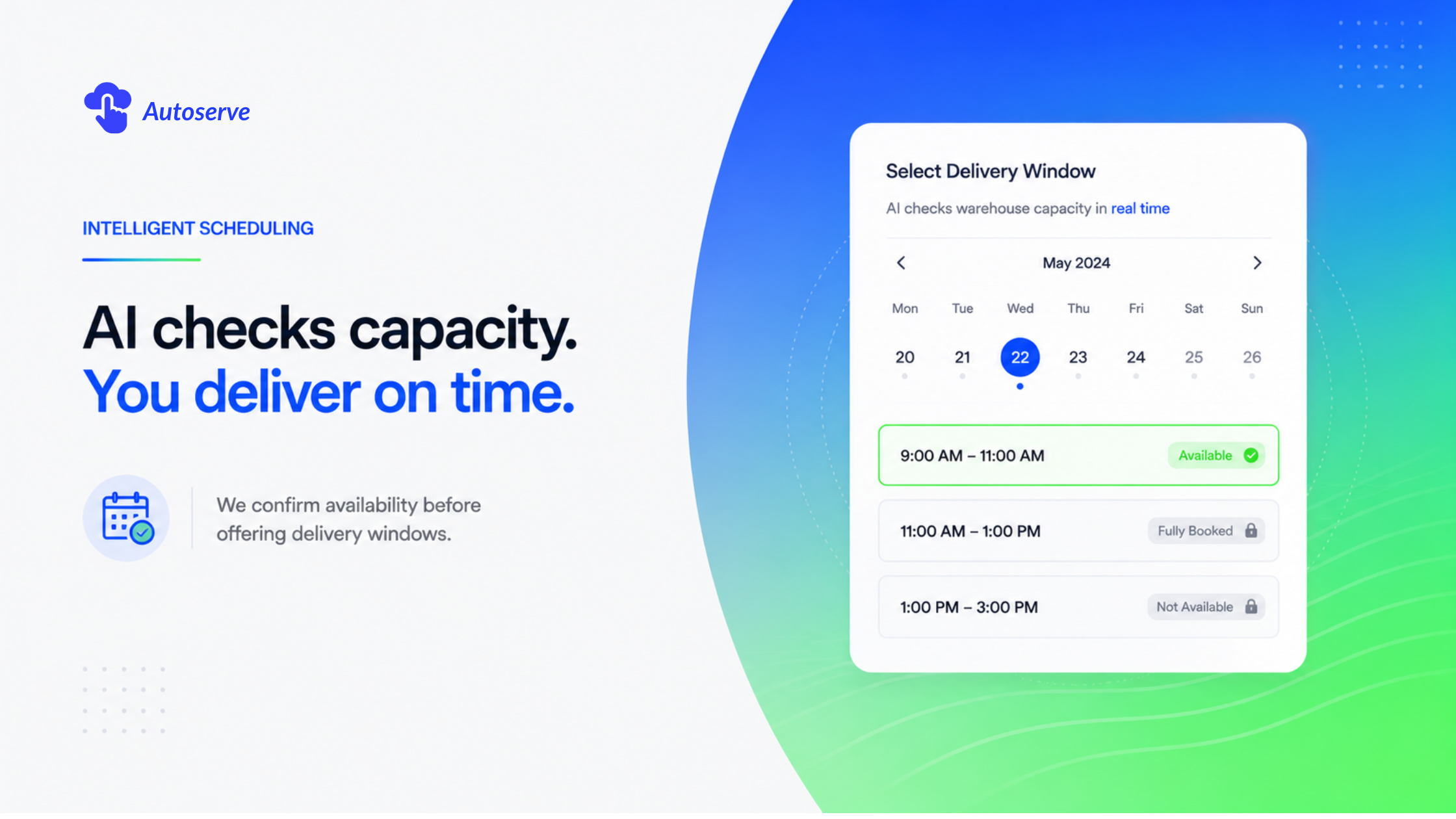
Artificial intelligence resolves back-office pressure by instantly replacing manual guess-and-check procedures with continuous, real-time algorithmic decision-making. Instead of forcing an operations manager to sit down and manually chart out driver sequences, AI routing engines ingest live traffic data, localized weather forecasts, and historical transit metrics to generate optimized delivery schedules instantly. On the inventory side, predictive machine learning models eliminate manual order counting by forecasting demand velocity to maintain ideal stock levels autonomously. This dual optimization approach saves your staff dozens of hours of administrative labor every month, allowing your existing team to handle three times the order volume. Ultimately, merchants experience a 20-30% reduction in delivery times and a total elimination of costly fulfillment delays.
Ignoring the structural transition toward AI-driven fulfillment puts your storefront on a direct path to competitive obsolescence and escalating delivery costs. As modern consumers grow accustomed to hyper-fast, predictable delivery timelines, stores stuck with legacy logistics face a sharp 23% drop in conversions when proper delivery scheduling isn't in place. Your operational costs will continue to climb as manual routing inefficiencies waste fuel, rack up driver overtime hours, and result in frequent missed delivery windows. This reality creates an intense sense of urgency (FOMO) among independent business owners, who rightly worry that failing to adapt will leave them unable to scale their brands without hiring a costly army of warehouse staff. Without automation, your customer acquisition investments go to waste as frustrated buyers permanently migrate to brands that offer seamless, automated tracking.
A basic Shopify delivery date picker is nothing more than a passive, static user interface element that records a customer's preferred delivery date at checkout. It possesses no real-time understanding of your actual warehouse capacity, active driver availability, regional traffic disruptions, or live SKU stock positions across your fulfillment centers. In stark contrast, authentic AI delivery scheduling functions as an active, intelligent operational brain that evaluates constraints across your entire supply chain simultaneously. It dynamically calculates whether a requested delivery window is physically achievable based on live logistics data before ever displaying that option to the buyer at checkout. While a standard calendar picker frequently leads to overpromising and missed deadlines, an AI-powered engine connects frontend checkout flows directly to your backend order management systems.
The strategic integration of artificial intelligence directly dictates the ultimate baseline of your storefront's fulfillment performance and customer retention capabilities. In an increasingly crowded e-commerce marketplace, delivery performance is no longer just a back-office utility; it serves as a critical differentiator for your brand. AI matters because it fundamentally shifts your operational model from a slow, error-prone human workflow to an agile, data-driven framework. This technological shift allows mid-market merchants to achieve the precise logistics efficiency typically reserved for global retail giants. By utilizing self-learning machine learning models that constantly analyze historical performance, your business can systematically drive down delivery costs while scaling transaction volumes seamlessly
AI minimizes fulfillment errors by removing the erratic human variables inherent in complex, manual calculations. When an order is placed, machine learning models instantly cross-verify customer address data against global geographic databases to guarantee perfect routing accuracy right from the start. The software continuously tracks your active delivery fleet, programmatically allocating assignments based on exactly which driver is closest to the drop-off zone. By accounting for dynamic variables like real-time traffic gridlock and severe weather changes, the algorithm configures tight, realistic delivery windows that drivers can actually hit. This precision prevents the common issue of missed delivery windows, which can easily drain over $400 a month in repeat delivery attempts and customer support overhead.
Modern consumers demand absolute transparency throughout the post-purchase journey, and AI delivers this by offering highly accurate, real-time tracking updates. Instead of providing broad, generic multi-day shipping estimates, predictive analytics engines generate precise Estimated Times of Arrival (ETAs) based on live local delivery variables. As the delivery vehicle progresses along its optimized route, the system automatically triggers localized SMS updates and tracking alerts to keep the customer fully informed. This proactive communication significantly reduces incoming "Where is my order?" support tickets, freeing up your customer service team to handle highvalue inquiries. Providing faster, completely dependable delivery milestones builds long-term customer trust, which directly increases repeat purchase rates and longterm customer lifetime value.
For a highvolume Shopify store, operational complexity scales exponentially with order volume, making basic rule-based logistics systems completely obsolete. When a merchant processes hundreds of multiitem orders every day across multiple inventory warehouses, manually determining the optimal origin and route becomes humanly impossible. Highvolume operations require advanced algorithmic scheduling logic that can instantly assess hundreds of distinct operational variables in real time. This includes balancing order priority, tracking inventory availability across regional hubs, checking driver shift limits, and meeting customer servicelevel agreements (SLAs). Smarter AI logic prevents warehouse logjams and averts expensive fulfillment delays, ensuring your business scales smoothly without a linear increase in administrative headcount.
The transformation of Shopify logistics is driven by a few highly specialized, interconnected AI use cases that completely reshape back-office workflows. These focus areas turn raw data into automated actions across your order fulfillment and distribution networks. Rather than deploying disjointed point solutions, modern e-commerce directors are implementing cohesive AI platforms that manage everything from initial demand forecasting to final last-mile dispatch. Understanding these primary use cases allows you to pinpoint the exact operational leaks in your current workflow and deploy targeted algorithmic fixes where they will deliver the highest return on investment.
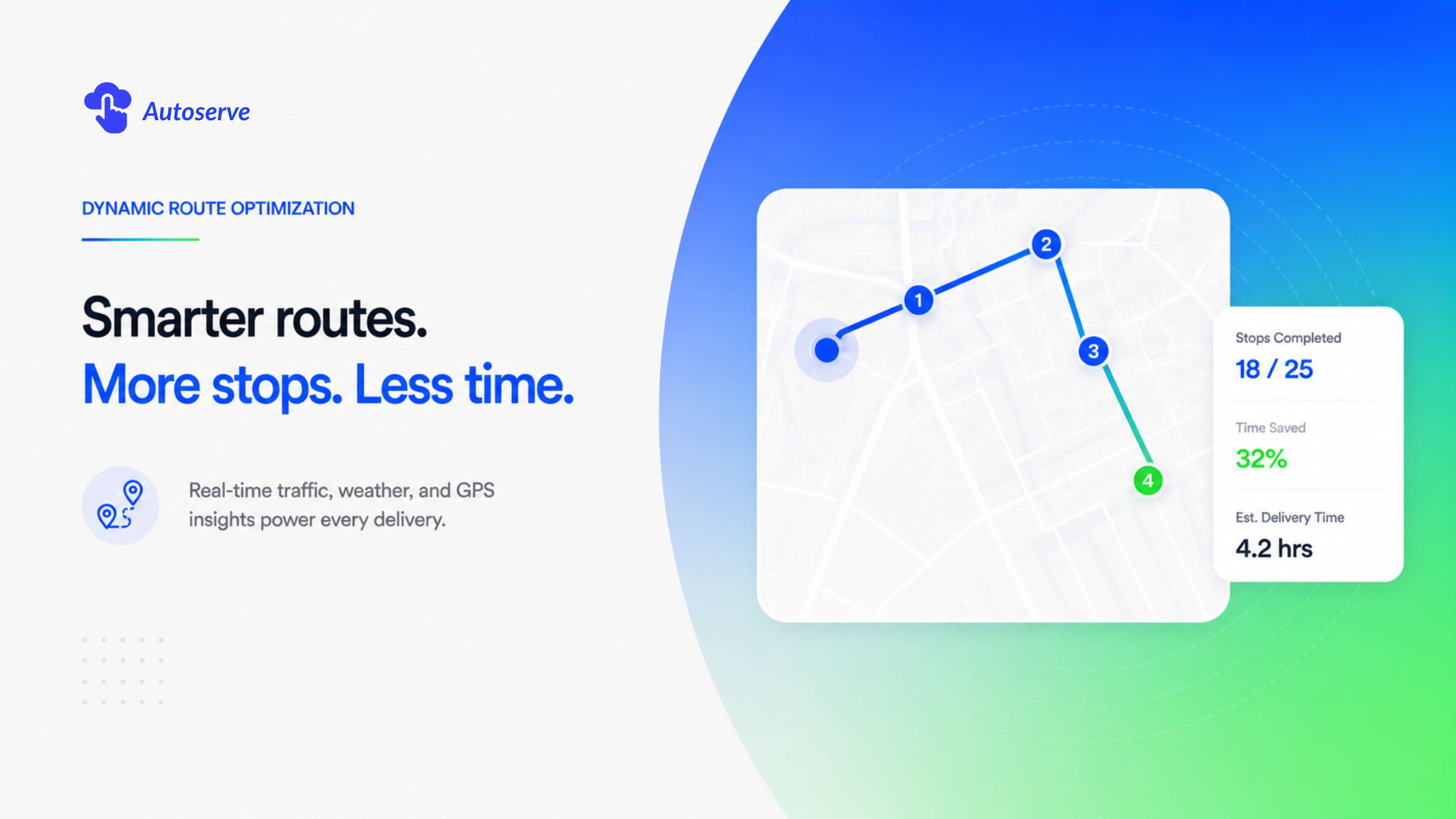
AI-powered route optimization completely replaces static, zip-code-based territory mapping with dynamic, algorithmic street-level calculations. The route optimization engine evaluates all pending local delivery drop-offs simultaneously, instantly organizing them into the most efficient multi-stop sequence possible. Instead of plotting fixed paths, the algorithm evaluates live traffic congestion, construction hazards, and vehicle capacity constraints to find the fastest routes. If a traffic bottleneck occurs mid-day, the system recalculates the remaining route in real time, pushing instant adjustments directly to the driver’s mobile application. This responsive routing helps your fleet bypass delays, enabling local delivery operations to complete up to 30% more stops per shift.
Smart order routing functions as an automated traffic controller for multi-location Shopify stores and omnichannel brands. The moment a customer completes a checkout transaction, the AI analyzes their delivery address against your real-time inventory levels across all locations. It calculates which fulfillment center, retail store, or third-party logistics (3PL) hub is closest to the recipient while ensuring that location has the correct SKUs in stock. The system also balances fulfillment workloads across your warehouses, ensuring no single facility gets bottlenecked while others sit idle. This automated allocation cuts down on cross-country transit distances, lowers your shipping fees, and prevents oversold inventory situations.
Managing daily SKU preparation can quickly become an overwhelming warehouse bottleneck, but deploying AI Inventory Insight through Autoserve transforms this chaotic workflow. Rather than forcing workers to manually tally order sheets, the system uses the specialized Ancrawfish data-processing engine from autoserve.io to automate daily SKU prep planning. This advanced machine learning model analyzes your incoming orders, open delivery schedules, and historical sales velocities to create an optimized batch-picking checklist every morning. Warehouse teams see exactly which SKUs to prep each day, eliminating the need for manual order counting and saving dozens of administrative hours. This keeps your inventory tightly synchronized with your actual delivery schedules, ensuring high-demand items are packed and ready to ship without delay.
Integrating automated SMS notifications with live delivery ETA updates turns a standard fulfillment process into a premium customer experience. Machine learning engines calculate highly precise arrival windows by continuously tracking real-time delivery performance and driver progress. When the vehicle leaves your fulfillment hub, the system sends an automated SMS notification with a dynamic tracking link. The customer can watch the vehicle approach on a map, receiving automated text updates when the driver is exactly ten minutes away. This high level of post-purchase visibility eliminates delivery anxiety, minimizes failed drop-off attempts, and significantly reduces inbound customer service volume.
Last-mile delivery is widely recognized as the most expensive and inefficient segment of the e-commerce supply chain. Artificial intelligence addresses this challenge by applying advanced mathematics to route planning and resource allocation. By transforming your delivery operations from rigid, pre-planned routes into an agile, data-driven workflow, AI helps you maximize the efficiency of every vehicle and driver. This is especially valuable for Shopify merchants managing their own local delivery fleets, where minor routing errors can quickly erase product margins. Implementing intelligent last-mile logistics allows independent brands to operate with the same speed and efficiency as enterprise-level logistics networks.
AI engines generate highly efficient route plans by continuously analyzing a variety of live data streams. While a human dispatcher can only account for basic geography, machine learning models analyze live traffic data, historical congestion patterns, weather changes, and real-time GPS tracking data simultaneously. If the system detects an unexpected accident or sudden road closure along an active delivery path, it automatically reroutes the driver to prevent delays. The system also tracks historical drop-off times for specific commercial zones or apartment buildings, factoring those variables into its scheduling model. This ongoing optimization keeps your drivers moving efficiently, helping them complete their routes on schedule regardless of changing external conditions.
%20(3).png)
AI Inventory Insight solves the daily preparation problem that no other Shopify fulfillment app addresses directly. Every morning, operations teams ask the same question: what do we need to pick today? The traditional answer involves manual inventory counts, spreadsheet cross-referencing, and experienced guesswork.
AI Inventory Insight answers it automatically. The system analyzes open orders, delivery schedules, current stock levels, and sales velocity to generate a prioritized prep list that is ready before your team starts their day. No manual counting. No missed SKUs. No last-minute scrambles when a driver arrives and the ordered items are not staged.
The customer experience impact flows directly from this operational reliability. When prep is accurate,pick-and-pack is faster. When pick-and-pack is faster, dispatch happens ontime. When dispatch happens on time, customers get accurate ETAs. Accurate ETAs become positive delivery experiences. Positive delivery experiences driverepeat purchases.
Route optimization is one component of AI delivery scheduling. Full AI delivery scheduling also includes demand forecasting, inventory management, smart order routing, and post purchase notification automation covering the entire fulfillment workflow, not just driver routes.
Yes. AI delivery scheduling is especially impactful for local delivery operations, where route efficiency and realtime adjustments directly affect daily costs. It also handles store pickup scheduling, managing pickup time windows and inventory availability in real.
Consistently yes. Shopify merchants usingAI route optimization and fulfillment tools report saving $400–600 per month inlogistics costs through reduced fuel consumption, fewer failed deliveries, and lower labor time spent on manual dispatch. ROI typically turns positive within60–90 days.
AI delivery scheduling delivers the most impact for stores processing 50+ orders per day. Smaller stores benefit most from the inventory management and SKU prep features, which reduce time spent on manual counting regardless of order volume.
AI delivery scheduling connects GPS tracking, route progress data, and traffic conditions to generate accurate ETAs that update in real time. Customers receive proactive SMS and email updates atkey milestones, reducing “where is my order” support inquiries by up to 30% and increasing customer satisfaction with the post-purchase experience.
Every week you run your Shopify fulfillment on manual processes is a week your AI-enabled competitors are compounding their operational advantage. The technology is here. The ROI is proven. The implementation path is straight forward.
You do not need to transform your entireoperation overnight. Start with one delivery zone. Use AI Inventory Insight to eliminate manual SKU counting for one week and measure the time savings. Run AI route optimization for your local delivery fleet for 30 days and compare fuel costs.
The data will convince you faster than any article will. And that first win that first week where your team gets home on time because the routes were optimized, the prep list was accurate, and not a single customer called asking where their order was that is the moment the shift becomes irreversible.
We try to make easy and simple for every professionals. Get 30 days free trial - No credit card required.

